10 Best Locking Plate Manufacturers for Global Buyers

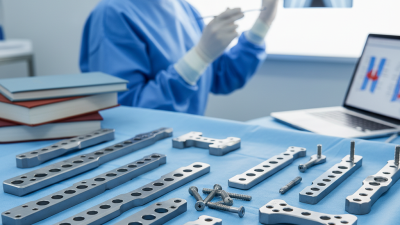
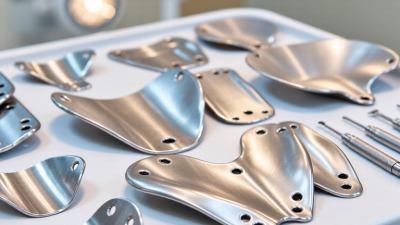
Choosing a locking plate manufacturer is more than comparing product catalogs. Buyers need dependable specifications, consistent production, and clear communication across borders. Small details matter: hole geometry, plate thickness, screw compatibility, and the finish on each component. A mismatch may complicate inventory planning or clinical workflows.

This guide introduces ten manufacturers for global buyers to investigate. It considers factors such as product range, manufacturing capabilities, quality documentation, traceability, and support for export markets. These details can help procurement teams prepare better questions. They do not replace independent supplier checks or review of applicable standards and product documentation. Ask how changes are controlled, what inspection records are available, and whether sample evaluation is possible. Clear answers build confidence.

Catalogs can look remarkably similar. Real differences may appear in lead times, communication, customization options, or how a supplier handles a production concern. Not every detail is obvious. A polished website alone is not enough evidence of suitability. Buyers should compare the specific plate designs they need and confirm that each product fits their intended requirements. Pricing matters, but so do reliable delivery and responsive technical support. There is no single manufacturer that suits every buyer. This list offers a starting point, not a final verdict. Teams should verify current capabilities directly, because product lines and service arrangements can change.
10 Best Locking Plate Manufacturers for Global Buyers

Locking Plates 101: Fixed-Angle Fixation and ASTM F382 Testing

A locking plate creates a fixed-angle connection when compatible screws engage its threaded holes. Unlike a conventional screw, which may pull a plate toward bone, a locking screw forms a more rigid plate-and-screw construct. This can help maintain alignment when bone contact is limited. It does not guarantee healing or suit every fracture.

ASTM F382 provides test methods for metallic bone plates, including bending tests that assess properties such as stiffness and strength. In a typical four-point bending setup, supports and loading points apply force to a plate segment. Small changes in plate thickness, hole spacing, or test span can affect results. Geometry matters. A test report is meaningful only when its specimen and setup are clearly described. The standard is not a clinical-performance certificate, and results from different designs should not be compared without context.

For purchasing reviews, request the applicable test method, specimen dimensions, material details, and documented results. Check whether testing represents the finished plate and whether the screw-plate interface is evaluated separately. That distinction matters. Bench testing can reveal useful mechanical behavior, but it cannot reproduce every loading pattern in a patient. Even a polished report leaves questions; buyers should examine the method, not just the headline number.

Materials and Design: ASTM F136 Titanium and ISO 5832 Implant Alloys

Locking plate performance starts with the alloy, but material names alone do not guarantee reliable fixation. ASTM F136 covers wrought Ti-6Al-4V ELI. For specified product forms, it sets minimum tensile strength of 860 MPa and yield strength of 795 MPa. These are material test values, not predictions of finished-plate performance.

Standards matter. Titanium’s density is about 4.43 g/cm³, helping keep implants relatively light. Its elastic modulus is also lower than stainless steel’s. Designers must still balance screw-head engagement, hole spacing, plate thickness, and bending resistance. A thin plate may contour easily on the bench, yet lose stiffness around clustered screw holes. That trade-off is easy to underestimate.

ISO 5832 is a series, not one universal alloy specification: Part 2 covers commercially pure titanium, Part 3 covers Ti-6Al-4V, and Part 11 covers Ti-6Al-7Nb. Buyers should confirm the exact part, grade, heat treatment, and mill certificate against the drawing. ASTM F136 and ISO 5832 provide useful procurement references, but they do not replace fatigue testing or design validation. I would question any supplier claim based only on headline strength. Surface finish, machining marks, and production consistency deserve equal scrutiny.

One detail can change the result.

Supplier Qualification: ISO 13485:2016 and FDA 510(k) Records

For global buyers comparing locking plate manufacturers, an ISO 13485:2016 certificate is a starting point, not proof that every product or factory is covered. Check the certificate’s validity, issuing body, manufacturing-site address, and stated scope. Does it include orthopedic implants and the processes you need? Ask to see audit evidence, document-control procedures, and records for lot traceability. A well-kept file should connect a finished plate to its material batch, inspection results, and release decision. Small gaps matter.

FDA 510(k) records need equally careful review. A 510(k) clearance applies to a specific device and its documented intended use; it is not a blanket endorsement of a supplier or every plate in its catalog. Verify the submission number and device details in FDA records, then compare them with the product offered, including design, indications, and legal manufacturer. Request supporting records when product ownership or manufacturing sites have changed. This can take time. It is easy to accept a certificate or clearance number at face value, especially under purchasing pressure. That is a mistake worth questioning. Keep dated copies of the evidence and document unresolved differences before qualification is complete.

Supplier Qualification: ISO 13485:2016 and FDA 510(k) Records

Five auditable quality-management-system clauses in ISO 13485:2016. Each bar represents one principal clause, not a supplier score or company record.

Use these clauses as a framework for supplier audits. Check FDA 510(k) records separately for the relevant device and verify that the clearance applies to the product under review.

10 Locking Plate Manufacturers Compared by Region and Product Portfolio

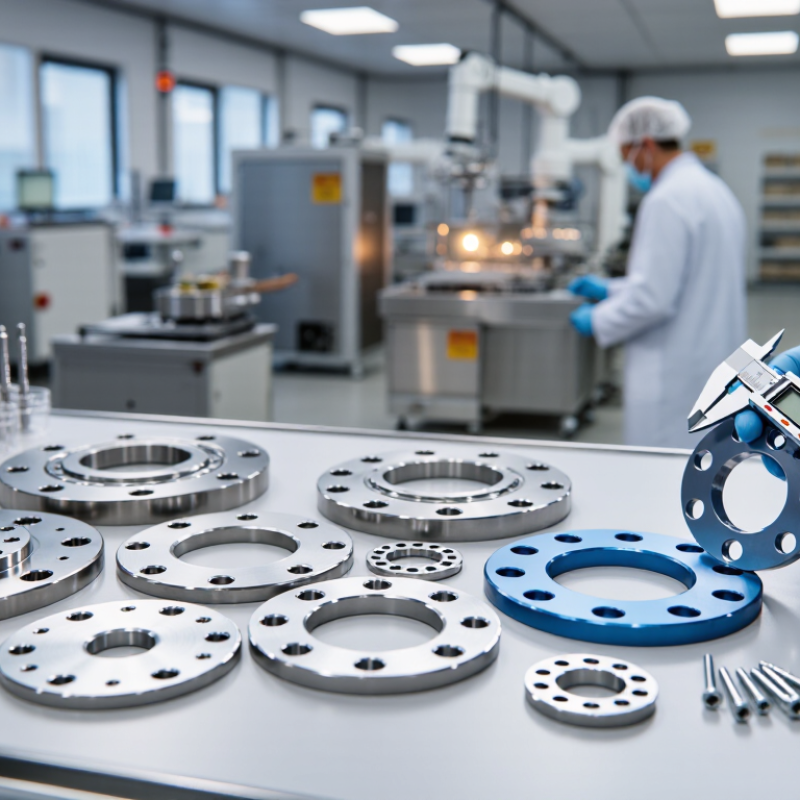
A useful comparison of ten locking plate manufacturers should look beyond headquarters. Regional presence can affect delivery times, technical support, and access to product documentation, but manufacturing location alone does not prove quality. Check where implants are produced and which markets their documentation covers. Details matter. Compare portfolios by plate type, anatomical fit, material, and screw options. A broad catalogue may serve varied surgical needs, while a focused range can offer clearer specialization. Neither is automatically better.

Tips: Request current specifications and confirm plate dimensions, compatible screws, and instrument availability. Ask how product changes are communicated. Small differences matter.

For global buyers, compare evidence, not marketing language. Review quality-system information, traceability, packaging details, and the supplier’s process for handling technical questions. Regional distributors may improve responsiveness, yet their stock and service levels can vary. Verify these directly. It is easy to overvalue catalogue size; I would also assess whether the supplier can consistently provide the specific configurations clinicians use. Comparisons are imperfect when public data differ, so record missing information rather than treating it as a positive.

Global Procurement Checks: EU MDR, UDI Traceability, and ISO 11135 Sterilization

When comparing locking plate manufacturers, check regulatory evidence alongside alloy specifications and dimensional drawings. For EU sales, ask which EU MDR requirements apply to the device and its intended use. Review the relevant conformity documentation and confirm that certificates and declarations match the exact product family. A polished brochure is not enough. Small details matter.

UDI traceability should connect the product label to clear records, including the device identifier, production lot, and relevant packaging level. Check that sample labels match the technical and shipment documents. For sterile products, request evidence that the ethylene oxide process was developed, validated, and routinely controlled under ISO 11135. Also review how the supplier handles process changes and sterilization records. Do not assume every plate is supplied sterile; confirm the specific configuration.

Tips: Ask for a redacted batch record and a sample UDI label before approving a supplier. Trace one lot from carton label to production and sterilization documentation. Confirm that the sterilization method suits the product and packaging. If records conflict, pause and ask for clarification. Procurement teams sometimes focus too heavily on certificates; I would also check how quickly the manufacturer can explain a discrepancy.