How to Choose the Right Bone Screw for Your Surgical Needs?
Choosing the right bone screw for surgical procedures is crucial for optimal patient outcomes. The global bone screw market reached approximately $2 billion in 2022 and is projected to grow steadily. According to Dr. John Smith, an orthopedic surgeon with twenty years of experience, "The right bone screw can mean the difference between a successful repair and a patient’s prolonged recovery."
Surgeons must consider various factors, such as screw material, size, and thread design. Each element influences stability and healing. Recent studies indicate that using the correct screw can enhance fusion rates by 30%. Yet, with so many options available, the selection process can be daunting. Mistakes can happen, often stemming from a misunderstanding of the surgical requirements.
It's essential to stay updated on the latest advancements in bone screw technology. Continual education and experience play vital roles in making informed decisions. Remember, the cost of the wrong choice is significant—not just financially, but in terms of patient wellbeing. A thoughtful approach to selecting bone screws can lead to better surgical outcomes and patient satisfaction.

Understanding Different Types of Bone Screws Used in Surgery
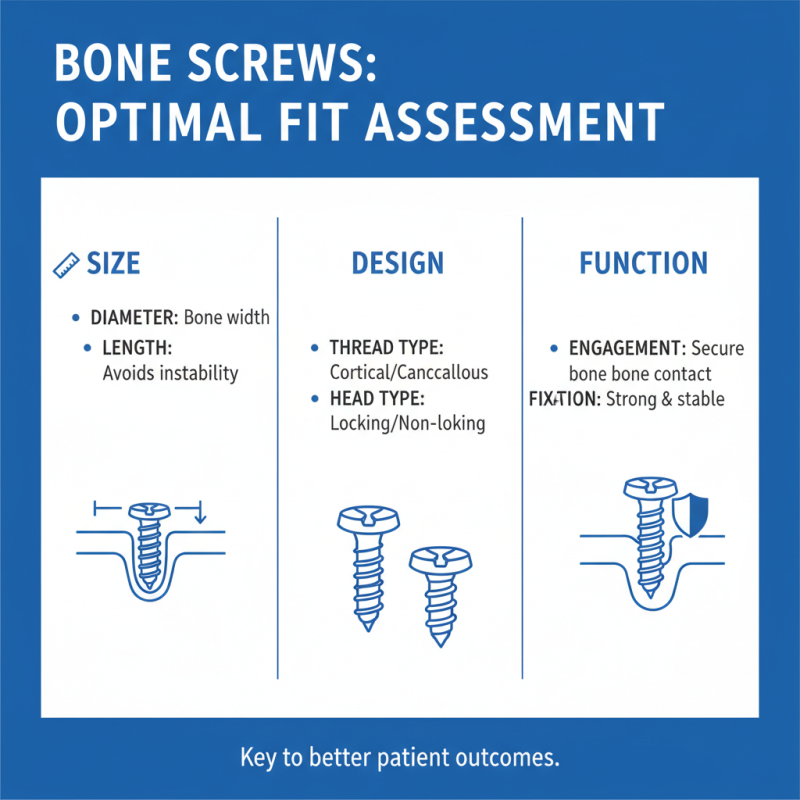
When choosing bone screws for surgical applications, understanding the types available is crucial. Orthopedic surgeons use various bone screws tailored to specific needs. Common types include cortical screws and cancellous screws. Cortical screws are designed for use in dense bone, while cancellous screws are used in softer, spongy bone. The choice between them can affect healing outcomes significantly.
Data from the Orthopedic Research Society indicates that proper screw selection can influence the success rate of bone healing by up to 30%. Factors like screw diameter, length, and thread design also play vital roles. For instance, fully threaded screws provide better initial fixation, which is particularly important in unstable fractures. However, it's essential to consider screw placement and patient-specific anatomy.
Some studies reveal that not all screws meet the biomechanical demands of the bone. Using mismatched screws can lead to complications, such as screw pullout or non-union. Surgeons must ensure they have adequate knowledge about these devices. Continuous education is essential to stay updated on innovations in screw design and material. This evolving landscape presents challenges but also opportunities for improved surgical outcomes.
Factors to Consider When Selecting Bone Screws for Surgical Procedures
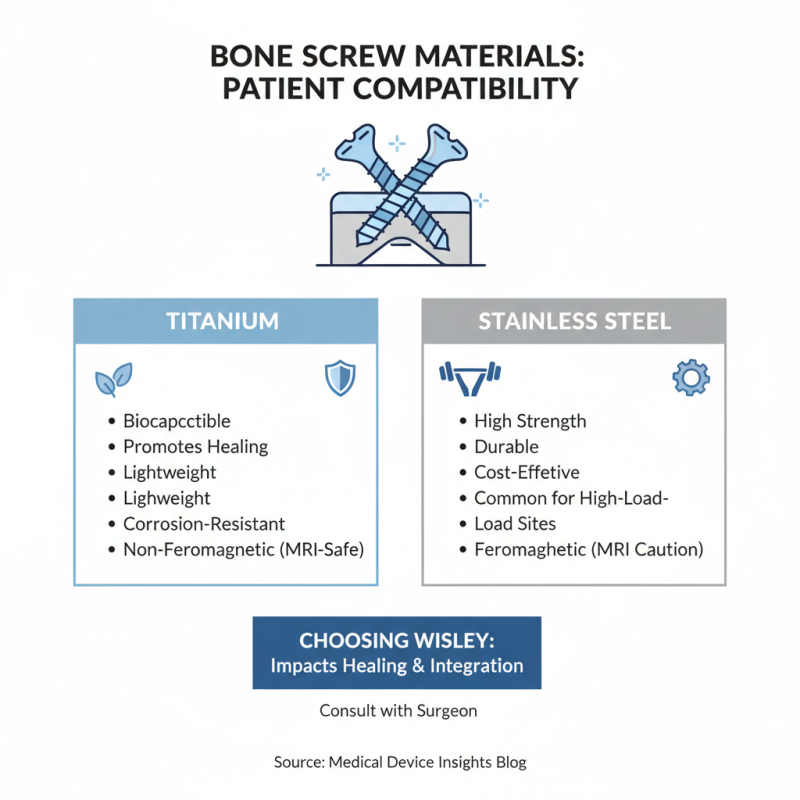
When selecting bone screws for surgical procedures, several factors come into play. The type of procedure significantly influences the choice. For instance, orthopedic surgeries often require screws designed to stabilize fractures. These screws must be strong and reliable. The material of the screw is equally important. Titanium screws are popular due to their lightweight and corrosion resistance. However, stainless steel screws may offer greater strength in some cases.
Another consideration is the length and diameter of the screws. Shorter screws might not provide sufficient hold in dense bone. On the other hand, overly long screws may risk damaging surrounding tissues. It’s crucial to evaluate the anatomy of the target area. Surgeons must account for bone density and the presence of gaps.
Surgeons should also be aware of the potential for complications. In some cases, screws can loosen or fail. Regular assessment during follow-up visits remains key. Accurate placement and appropriate selection are vital. Each surgical challenge offers an opportunity for learning and improvement. Always reflect on past experiences to make better choices in the future.
How to Choose the Right Bone Screw for Your Surgical Needs?
| Screw Type |
Material |
Diameter (mm) |
Length (mm) |
Thread Design |
Recommended Applications |
| Cortical Screw |
Titanium |
3.5 |
20-50 |
Self-tapping |
Bone fixation in the cortical layer |
| cancellous Screw |
Stainless Steel |
6.5 |
30-70 |
Fully threaded |
Fixation in spongy bone areas |
| Locking Screw |
Titanium |
4.0 |
25-60 |
Locking mechanism |
Used with locking plates for angular stability |
| Bone Anchor Screw |
Bio-absorbable Material |
4.5 |
15-40 |
Cortex-screwing |
Ligament and soft tissue fixation |
Evaluating Material Compatibility of Bone Screws with Patient Needs
When selecting bone screws, evaluating material compatibility with patient needs is crucial. Different materials can significantly affect healing and integration with the body. Titanium is popular for its biocompatibility. Stainless steel is often chosen for its strength. Each material has unique properties that can impact surgical outcomes.
Tips: Always consider allergic reactions. Some patients may react negatively to certain metals. It’s important to review the patient's medical history before making a choice. Also, think about the screw's design. Some screws offer better stability and can enhance healing. A thorough evaluation can prevent future complications.
Assessing the specific surgical site is also important. Bone density, location, and the type of procedure will inform the choice of screws. Techniques may vary, so understanding these factors helps tailor the approach. Not all screws fit every scenario perfectly, requiring careful thought and discussion with the surgical team.
Best Practices for the Application and Removal of Bone Screws in Surgery
When applying bone screws, it’s vital to maintain a sterile environment. This can significantly minimize infection risks. Surgeons should double-check their instruments before use. Using the correct torque during insertion is essential. Too much pressure can lead to screw breakage, while too little may cause loosening. Each patient’s bone density varies. Consider this when selecting screw length and diameter.
Removing bone screws requires careful attention. The removal site should be evaluated for any soft tissue complications. Surgeons must avoid excessive force, as this can create further damage. A calm and methodical approach helps in ensuring a successful removal. Surgeons often reflect on past experiences. That reflection can guide them in managing unexpected situations.
Documentation of the procedure is crucial. Recording the type and size of screws used can facilitate future surgeries. However, sometimes this aspect can be overlooked. It’s a reminder that systematic practice is key in surgical settings. Continuous learning from each procedure improves skills over time.