10 Best Organic Sweet Potato Powder Suppliers for Buyers
Choosing a reliable supplier requires more than comparing prices and attractive product photos. Organic Sweet Potato Powder can differ in color, sweetness, moisture, particle size, and nutritional consistency. These details affect bakery mixes, beverages, supplements, and baby food applications.
This guide reviews ten leading suppliers through practical buyer-focused criteria. We consider organic certification, country of origin, processing methods, laboratory testing, traceability, minimum order quantities, packaging, and delivery support. A current certificate matters. So does a clear certificate of analysis for each production batch. Buyers should also check pesticide screening, microbiological results, heavy metal limits, and allergen statements before approving samples.
No ranking fits every business. A small food brand may value flexible quantities and fast communication. A large manufacturer may prioritize stable supply, private labeling, and container-level pricing. Some suppliers publish detailed technical documents, while others require direct requests. That difference can slow evaluation. It may also reveal how responsive a supplier really is.
The selection process should remain careful and realistic. Organic certification does not automatically guarantee superior flavor or uniform performance. Harvest conditions, drying temperature, and milling controls still matter. Request a sample, compare it in your actual recipe, and review storage guidance. This article highlights promising options, but buyers should confirm current certifications, specifications, pricing, and export capabilities directly with each supplier. Small checks prevent expensive surprises.
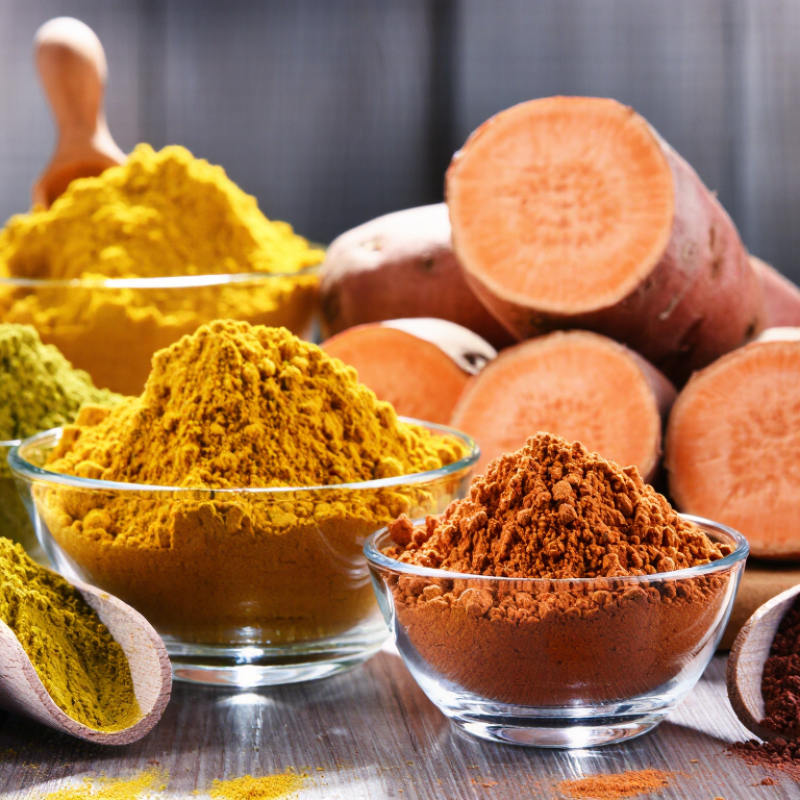
What to Look for in an Organic Sweet Potato Powder Supplier
Choosing an organic sweet potato powder supplier requires more than comparing prices. Organic Trade Association data reported U.S. organic food sales of $67.6 billion in 2023. That growth increases demand, but it also requires stronger verification. Ask for a current organic certificate, certification scope, facility address, and transaction records. Confirm the certificate through an official organic database where possible. A logo alone is weak evidence.
Review the technical file carefully. It should state moisture, particle size, color, microbiological limits, heavy metals, pesticide residues, and allergen controls. Request recent certificates of analysis from an ISO/IEC 17025-accredited laboratory. Codex food safety principles support risk-based testing and documented traceability. A reliable supplier should identify the farm region, harvest season, drying method, and lot number. Traceability should work both ways. Can they isolate one pallet quickly?
Production experience also matters. Ask for samples from at least two lots, then check aroma, sweetness, clumping, and reconstitution in warm water. A clean orange color is useful, but it cannot prove quality. Some buyers overlook packaging. Food-grade, moisture-resistant bags and clear storage instructions protect the powder during shipping. Audit responses reveal supplier maturity. Vague answers are warning signs. Still, no supplier is perfect. One overlooked detail can change a stable powder into a costly return. Supplier capacity, lead time, minimum order quantity, and recall procedures should be tested before signing a long-term agreement.
How to Evaluate Supplier Quality, Certifications, and Product Safety
Choosing among the 10 best organic sweet potato powder suppliers requires more than comparing prices. Ask for a current organic certificate issued by an accredited body. Check its scope, expiry date, and covered processing site. A certificate for farming alone may not cover drying or milling.
Request a certificate of analysis for each production lot. It should show moisture, microbiological results, pesticide residues, heavy metals, and foreign matter controls. Compare the report’s lot number with the bags you receive. Good suppliers also provide traceability from farm records to finished powder. Ask how they control allergens and prevent cross-contamination during production. HACCP or ISO 22000 systems can support confidence, but documents still need verification. A clean-looking file is not proof.
Order a sample before signing a large contract. Examine its color, aroma, particle size, sweetness, and water activity. Test how it behaves in your recipe. Packaging should be food-grade, sealed, clearly labeled, and suitable for transport. Experienced buyers may request an independent laboratory test or a remote factory audit. This adds time and cost. It can prevent a much larger loss. I once treated consistent color as a quality signal, but storage conditions later changed the result. That was a useful warning. Ask about harvest seasons, storage temperature, shelf life, recall procedures, and complaint response times. Reliable suppliers answer clearly and share evidence, not vague promises.
Top Organic Sweet Potato Powder Suppliers for Different Buyer Needs
10 Best Organic Sweet Potato Powder Suppliers for Buyers
Choosing among the top organic sweet potato powder suppliers depends on the buyer’s real production needs. Bulk food manufacturers usually need stable volumes, uniform mesh size, and competitive pricing. Beverage companies may prefer finely milled powder with low moisture and quick dispersion. Bakery producers often value strong color, mild sweetness, and reliable batch consistency. Specialty suppliers can offer low-temperature processing, which may better protect flavor and nutrients, although the cost is often higher.
Market data supports this growing demand. The Organic Trade Association reported that United States organic sales reached 67.6 billion dollars in 2023, showing continued interest in certified ingredients. FAOSTAT also recorded global sweet potato production above 88 million tonnes in 2022. These figures suggest strong raw-material availability, but they do not guarantee consistent powder quality. Buyers should request a current organic certificate, certificate of analysis, pesticide testing, microbiological results, and traceability records. Suppliers serving infant-food or supplement manufacturers may need stricter documentation and tighter particle specifications.
Tips: Compare moisture, water activity, mesh size, packaging, lead time, and minimum order quantity. Ask for a sample before approving a contract. A useful test is simple: mix the powder into warm water and inspect sediment, aroma, and color. Some suppliers communicate well but provide weak technical files. That is easy to miss. Also, organic status can vary by market, so verify the certificate against the destination country’s rules.
Comparing Pricing, Minimum Orders, Packaging, and Delivery Options
When comparing ten organic sweet potato powder suppliers, buyers should request identical specifications. Ask for organic certification, moisture, mesh size, color, microbiological limits, and country of origin. Pricing often changes with harvest timing, drying method, and testing requirements. USDA AMS specialty-crop reports show that seasonal farm prices can fluctuate widely, but they rarely quote finished powder. Treat every offer as a starting point, not a final benchmark.
Minimum orders separate flexible suppliers from factory-scale producers. Smaller trial lots may cost more per kilogram, while pallet quantities can reduce unit pricing. Compare the full landed cost, including sampling, certification documents, freight, customs, and storage. Packaging also matters. A 20–25 kilogram lined kraft bag suits regular production, while vacuum-packed inner bags protect smaller shipments. Ask whether packaging is food-grade, resealable, and suitable for humid warehouses. The Organic Trade Association reported U.S. organic sales of $67.6 billion in 2023, showing strong demand, but demand does not guarantee stable supply.
Tips: Build a simple quote sheet. Record price, MOQ, lead time, shelf life, packaging, and delivery terms. Request one sample before signing. Delivery options may include courier, air freight, or sea freight; each changes risk and cash flow. Ask for production lead time and a written replacement policy for damaged goods. Some suppliers answer quickly but provide weak documents. That is a warning. I would also allow a small contingency budget, because freight estimates can age badly.