What Are Orthopedic Implants and Instruments?
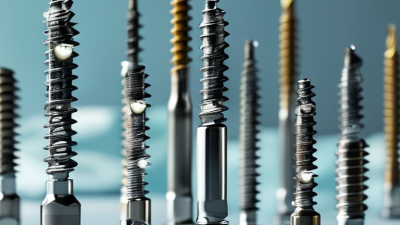
Orthopedic implants and instruments help surgeons repair, replace, or stabilize damaged bones and joints. Implants include plates, screws, rods, pins, joint replacements, and spinal cages. Instruments include drills, saws, retractors, guides, trial components, and torque-limiting tools. In clinical discussions, the phrase “orthopedic implants instruments” often describes these connected device categories.
A hip replacement may combine a metal stem, a femoral head, and a cup fitted inside the pelvis. A fracture plate may sit beneath soft tissue, held by carefully selected screws. During surgery, instruments must provide controlled access, accurate positioning, and reliable handling. Small details matter. A worn drill bit can generate heat, while an incorrect screw length may affect stability or nearby tissue. These risks explain why trained teams inspect packaging, confirm sizes, and follow sterilization procedures.
Choosing a device requires more than recognizing its shape. Surgeons consider anatomy, bone quality, injury pattern, patient activity, imaging results, and available clinical evidence. Manufacturers should provide clear specifications, material information, surgical instructions, and traceability records. Hospitals also rely on approved procurement processes and applicable medical-device standards. No device is universally ideal. That point is easy to miss. Outcomes depend on patient factors, surgical technique, rehabilitation, and long-term follow-up. This introduction offers a practical foundation, but it cannot replace professional training or patient-specific medical judgment. A careful review should compare design purpose, evidence quality, instrument compatibility, potential complications, and the experience required for safe use.
Definition and Role of Orthopedic Implants and Instruments
Orthopedic implants are medical devices placed inside or attached to the body to support damaged bones or joints. They may replace a joint surface, stabilize a fracture, or restore alignment after injury. Their role is mechanical, but their effects are biological too. Bone can grow around some implants, while soft tissue responds to surgical handling. Good design must consider strength, movement, tissue compatibility, and expected patient activity.
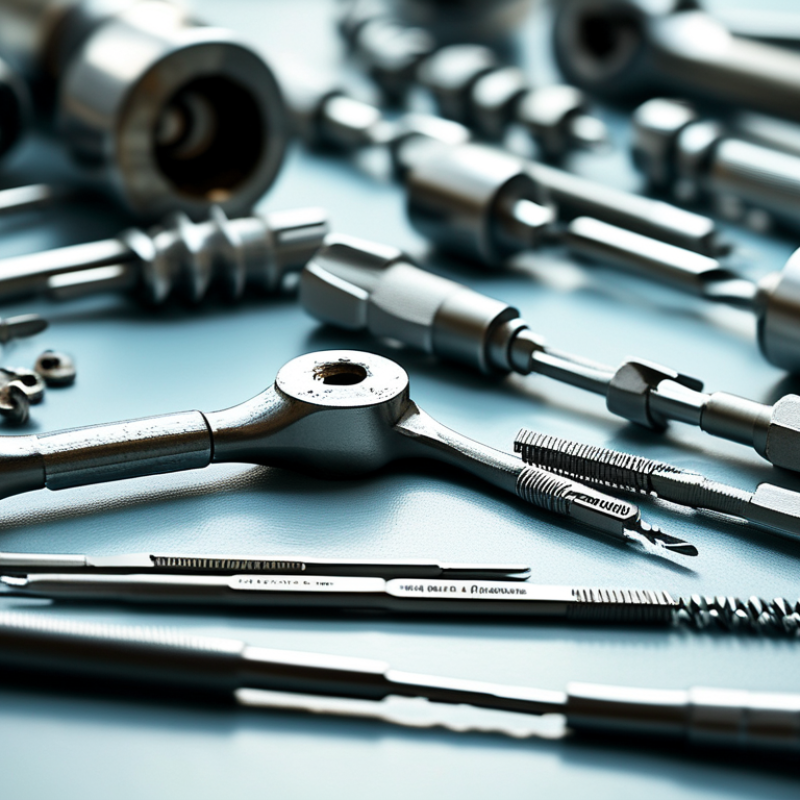
Orthopedic instruments help surgeons prepare, position, measure, and secure these devices with controlled accuracy. Examples include drills, saws, guides, retractors, and alignment tools. Each instrument has a specific purpose during procedures such as fracture fixation or joint replacement. Sterilization, calibration, and careful inspection are essential before use. A small measurement error can affect implant placement, joint balance, or recovery. Technique matters greatly.
Implants and instruments work as a system, not as isolated objects. Surgeons select them according to bone quality, anatomy, imaging, age, activity, and medical history. Patients also need realistic expectations about healing, rehabilitation, and possible complications. No implant is perfect. Long-term success depends on surgical planning, accurate placement, follow-up, and patient participation. Even experienced teams may reassess their choices when anatomy differs from imaging. That uncertainty deserves attention, because clinical decisions are rarely identical.
What Are Orthopedic Implants and Instruments?
Orthopedic implants are medical devices used to stabilize, replace, or support bones and joints. Orthopedic instruments help surgeons prepare bone, position implants, and complete procedures accurately.
This chart compares the approximate Young’s modulus of commonly used orthopedic implant materials. Young’s modulus indicates stiffness: materials with higher values resist deformation more strongly, while lower-stiffness materials may help reduce the difference between an implant and surrounding bone. Actual properties vary according to alloy composition, manufacturing method, and implant design.
Main Types of Orthopedic Implants
Orthopedic implants are medical devices placed inside or attached to the body to support damaged bones, joints, or soft tissues. Their design depends on the injury, anatomy, bone quality, age, and expected activity level. A surgeon may also use instruments such as guides, drills, and torque-controlled drivers to position these devices accurately.
Joint replacement implants are used for severely damaged hips, knees, shoulders, and other joints. They usually include smooth surfaces that allow controlled movement, along with components that replace worn bone ends. Fracture fixation implants include plates, screws, nails, and wires. A plate may sit along a broken forearm, while a long nail can stabilize a fractured thigh bone. These devices hold fragments in alignment while healing occurs. Small differences in screw angle can matter.
Spinal implants include rods, cages, screws, and artificial discs. They may help stabilize the spine or restore space between vertebrae. Bone anchors and suture-based implants can support repaired tendons and ligaments around the shoulder or knee. Some implants are temporary, while others remain permanently. The categories can overlap, and no single implant suits every patient. In practice, surgeons review X-rays or CT scans, test bone strength, and consider daily movement before choosing a design. Even careful planning has limits; healing can vary because biology is less predictable than a surgical diagram.
Common Orthopedic Instruments and Their Uses
Orthopedic instruments help surgeons expose bone, prepare surfaces, align fragments, and secure implants. A scalpel opens soft tissue, while retractors hold muscle and skin away from the surgical field. Their shape matters. Poor positioning can increase pressure on surrounding tissue.
Oscillating saws remove damaged bone during joint replacement procedures. Surgical drills create precise holes for screws, plates, or anchors. Reamers gradually enlarge bone canals, especially before inserting certain joint components. Reduction forceps temporarily hold fractured bone in alignment. Screwdrivers then place screws, while torque-limiting handles help prevent over-tightening. Small guidewires can mark a safe path before drilling. Accuracy matters.
Not every tool suits every fracture. Surgeons consider bone quality, fracture pattern, anatomy, and the planned implant. In practice, a clean instrument setup also reduces delays and confusion. Instruments must be sterile, inspected, and properly calibrated. A worn drill bit may generate heat, and excessive heat can harm bone. That detail is easy to overlook.
Retractors may improve visibility, but aggressive pressure can injure soft tissue. Even experienced teams can misjudge access in unusual anatomy. I think this is where careful planning becomes more valuable than simply having more instruments. Clear communication, measured force, and repeated checks support safer orthopedic procedures. Surgical training and local protocols should guide the final choice.
What Are Orthopedic Implants and Instruments? - Common Orthopedic Instruments and Their Uses
| Category |
Instrument or Implant |
Primary Use |
Typical Procedure or Application |
Key Design or Material |
Reusable or Implantable |
| Exposure Instrument |
Retractor |
Holds soft tissues away from the surgical field. |
Joint replacement, fracture fixation, and spine surgery. |
Blades may be fixed, hinged, or self-retaining; commonly made from surgical stainless steel. |
Reusable instrument |
| Cutting Instrument |
Osteotome |
Cuts or shapes bone using controlled impaction or hand pressure. |
Bone preparation, corrective osteotomy, and removal of damaged bone. |
Flat, beveled cutting edge designed for precise bone work. |
Reusable instrument |
| Cutting Instrument |
Bone Saw |
Creates controlled cuts through bone. |
Joint replacement and bone shortening or correction procedures. |
Uses a reciprocating or oscillating blade; cutting requires irrigation and careful soft-tissue protection. |
Reusable handpiece with replaceable or sterilizable blade |
| Drilling Instrument |
Orthopedic Drill |
Creates holes for screws, pins, or other fixation components. |
Fracture fixation, spinal instrumentation, and reconstructive surgery. |
Accepts specialized drill bits; variable speed helps control heat and accuracy. |
Reusable powered instrument |
| Drilling Instrument |
Drill Guide |
Directs a drill bit and helps protect surrounding tissue. |
Plate fixation and placement of locking or lag screws. |
Tubular or angled guide matched to a specific screw trajectory. |
Reusable instrument |
| Measuring Instrument |
Depth Gauge |
Measures hole depth to help select the correct screw length. |
Internal fixation of fractures. |
Graduated shaft with a hook or probe that engages the far cortex. |
Reusable instrument |
| Grasping Instrument |
Bone-Holding Forceps |
Grips and stabilizes bone fragments during reduction. |
Fracture reduction before temporary or definitive fixation. |
Serrated or pointed jaws provide controlled purchase on bone. |
Reusable instrument |
| Impaction Instrument |
Orthopedic Mallet |
Delivers controlled impact to osteotomes, punches, or implant inserters. |
Bone preparation and insertion of selected implants. |
Balanced head made from metal or polymer designed to transmit force. |
Reusable instrument |
| Temporary Fixation |
Kirschner Wire |
Provides temporary alignment or fixation of bone fragments. |
Hand and foot surgery, fracture reduction, and guide-wire placement. |
Thin, smooth or threaded metal wire inserted with a drill or wire driver. |
Implantable during treatment; commonly removed after healing |
| Fracture Implant |
Bone Plate |
Stabilizes a fracture and maintains alignment while bone heals. |
Long-bone, periarticular, and corrective osteotomy fixation. |
Contoured plate with compression, locking, or combination holes; commonly titanium alloy or stainless steel. |
Implantable |
| Fracture Implant |
Bone Screw |
Compresses, captures, or secures bone fragments and implants. |
Plate fixation, lag-screw fixation, and small-fragment surgery. |
Threaded shaft with a selected diameter, length, and head design; commonly titanium alloy or stainless steel. |
Implantable |
| Fracture Implant |
Intramedullary Nail |
Provides internal splinting and load-sharing within the medullary canal. |
Fractures of the femur, tibia, and selected long bones. |
Long metal rod secured with locking screws; commonly made from titanium alloy or stainless steel. |
Implantable |
| Joint Replacement Implant |
Hip or Knee Prosthetic Component |
Replaces damaged joint surfaces and restores joint function. |
Total or partial hip and knee arthroplasty. |
May include metal alloys, ceramic, and ultra-high-molecular-weight polyethylene bearing surfaces. |
Implantable |
| Spinal Implant |
Pedicle Screw and Rod System |
Stabilizes spinal segments and helps maintain alignment. |
Spinal fusion and correction of selected spinal instability or deformity. |
Threaded screws connect to longitudinal rods; commonly manufactured from titanium alloy. |
Implantable |
Note: Instrument selection, implant material, surgical technique, and postoperative management depend on the patient, anatomy, fracture pattern, and surgeon’s clinical judgment.
Implant Selection, Surgical Use, and Patient Safety
What Are Orthopedic Implants and Instruments?
Implant selection begins with the patient, not the product. Surgeons review bone quality, anatomy, activity level, and injury pattern. Imaging helps reveal fracture lines, joint damage, and hidden alignment problems. An implant must provide suitable stability without adding unnecessary stress to nearby bone. Size matters greatly. A plate that is too long may irritate soft tissue, while a screw that is too short may fail to hold the fracture.
Surgical instruments support accurate placement and controlled handling. Guides, drills, reamers, and measuring tools help the surgical team follow the planned technique. Before use, every instrument should be inspected, cleaned, sterilized, and checked for damage. During surgery, the team confirms implant position with imaging when appropriate. Small details matter. A misplaced screw can affect movement, nerves, blood vessels, or joint surfaces. Still, no checklist is perfect. Fatigue, unusual anatomy, or unclear images can challenge even experienced teams.
Patient safety continues after the operation. Clear instructions should cover wound care, movement limits, warning signs, and follow-up visits. Pain, swelling, fever, numbness, or sudden weakness may require prompt medical review. Patients should understand the implant’s purpose and possible risks before consenting. Long-term assessment can identify loosening, infection, poor healing, or restricted motion. Good decisions depend on evidence, careful communication, and honest attention to uncertainty.