Why Choose Blood Transfusion Machines for Hospitals?
Hospitals need blood systems that are safe, traceable, and ready under pressure. Blood Transfusion Machines help control warming, flow, volume, and temperature during critical procedures. Their value becomes clear beside the numbers. The World Health Organization’s Global Status Report on Blood Safety and Availability 2021 recorded approximately 118.5 million blood donations worldwide. Yet low- and middle-income countries collected less than 40% of donations, despite representing most of the global population. Reliable equipment can reduce avoidable variation when every milliliter matters.
Dr. Neelam Dhingra, former WHO coordinator for blood transfusion safety, has emphasized, “Safe blood saves lives.” Her statement is brief. The process is not. A modern transfusion device can display flow rates, detect air, and maintain controlled temperatures near the patient’s bedside. These details support nurses and physicians during surgery, trauma care, oncology treatment, and neonatal transfusion. The AABB emphasizes standardized transfusion practices, patient identification, monitoring, and documentation across the transfusion pathway. Machines cannot replace trained judgment. They can strengthen it.
The choice still requires reflection. A sophisticated unit is not automatically the best unit. Hospitals must examine validation records, alarm performance, cleaning procedures, staff training, maintenance access, and compatibility with blood bags. The WHO report also highlights uneven access to safe blood and testing capacity. Therefore, procurement should consider the entire care environment, not only the machine’s technical features. A practical system, used correctly, may protect patients better than an impressive device left poorly maintained. That uncomfortable point deserves attention.
What Are Blood Transfusion Machines and How Do They Work?
What Are Blood Transfusion Machines and How Do They Work?
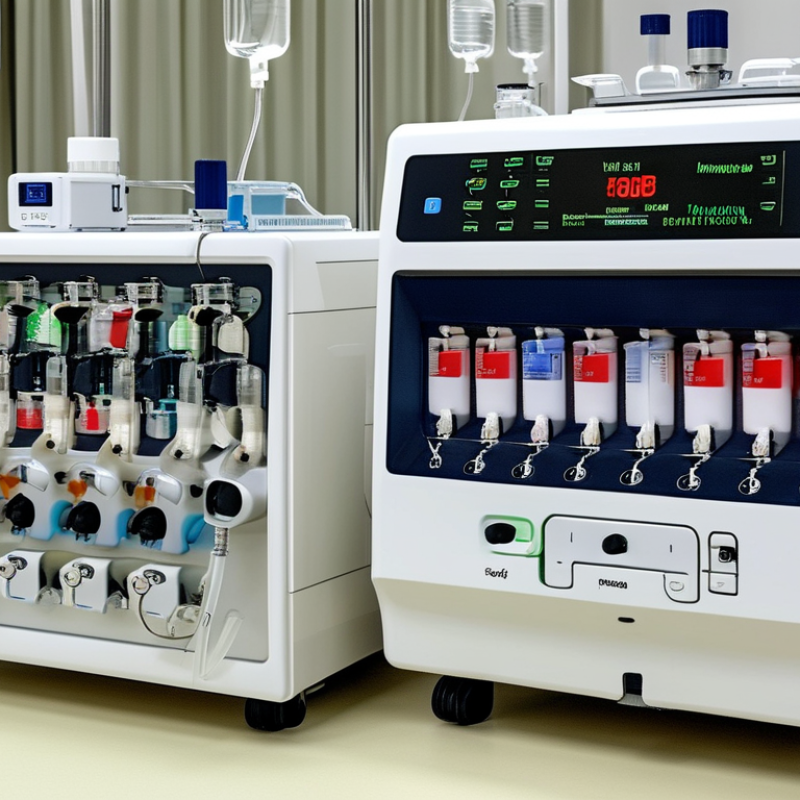
Blood transfusion machines are clinical devices that control how blood products enter a patient’s bloodstream. They may include infusion pumps, blood warmers, pressure systems, air detectors, and inline filters. Together, these components help maintain a steady flow and reduce avoidable handling errors.
A pump moves blood through sterile tubing at a programmed rate. Sensors can detect air, blockage, or unusual pressure. A blood warmer gently raises the product toward a controlled temperature before delivery. This matters during rapid or large-volume transfusion, when cold fluids may worsen hypothermia. Trained staff still verify the patient, product, tubing, and prescribed rate.
The scale is substantial. The World Health Organization reported 118.5 million blood donations worldwide in 2019, with major differences in collection access between income groups. That volume shows why reliable equipment matters in hospitals. However, automation is not perfect. A clear display cannot confirm every clinical decision. Alarms may be missed, tubing may be positioned poorly, and patient identification still depends on careful bedside practice. In real wards, the safest systems combine machine safeguards with documented checks, staff training, and continuous observation.
Why Choose Blood Transfusion Machines for Hospitals?
What Are Blood Transfusion Machines and How Do They Work?
Blood transfusion machines help hospitals deliver blood components under controlled conditions. They regulate flow, monitor pressure and air detection, provide alarms, and may maintain the required temperature during administration.
The chart shows representative maximum storage durations commonly used in transfusion-service standards: red blood cells are typically stored for up to 42 days, platelets for up to 7 days, and frozen plasma for up to 365 days. Exact limits depend on local regulations, validated storage systems, and the blood component.
How Do They Improve Transfusion Safety and Accuracy?
Blood transfusion machines help hospitals control a process where small errors can cause serious harm. They regulate flow, monitor pressure, and warm blood when clinically indicated. Integrated air detection and occlusion alarms can alert staff before problems become emergencies. Clear displays reduce guesswork during busy shifts. That matters at 3 a.m.
Safety improves when devices support verified patient identification and documented checks. Staff can compare the patient record, blood component label, and machine settings before starting. Sensors may detect unusual flow or an empty line, while automatic stopping can limit preventable exposure. Accurate delivery is equally important. A controlled rate supports prescribed therapy and helps clinicians respond to vital-sign changes. These safeguards require trained operators, routine maintenance, and documented calibration. A machine cannot judge every clinical situation. Human review remains essential.
Reliable hospitals test equipment under realistic conditions, including power interruptions, varied tubing, and rapid rate changes. They review alarm histories and investigate near misses, not only completed incidents. This feedback can reveal confusing prompts or overlooked setup steps. The technology is not perfect. False alarms may interrupt care, and incorrect settings can still create risk. Regular competency training, independent double checks, and clear escalation procedures keep automation within safe limits. Evidence-based protocols and local regulations should guide procurement and daily use.
Which Hospital Needs Benefit Most from These Machines?
Hospitals with heavy transfusion demands often benefit most from blood transfusion machines. Trauma centers, surgical hospitals, oncology units, and maternity departments may manage several transfusions during one shift. These machines can help control flow rates, monitor delivery, and support accurate documentation. Night shifts expose gaps.
A regional or rural hospital may also gain practical value. Limited staff, long travel distances, and urgent transfers can make consistent transfusion procedures difficult. A machine with clear alarms, patient identification support, and simple records may reduce avoidable delays. However, equipment capabilities differ. Staff should compare maintenance needs, training requirements, power stability, and compatibility with existing protocols.
Hospitals handling chronic anemia, cancer therapy, or complex surgery need dependable repetition. Standardized equipment can help nurses follow the same steps across busy wards. It may also provide useful data during internal audits or incident reviews. Human checks remain essential. A machine cannot confirm every clinical decision. Not every hospital needs one. A small facility with low transfusion volume may spend more on maintenance than it saves in time. Poor planning can create another risk: staff may trust alarms without investigating the patient’s condition. Administrators should review local transfusion numbers, staffing patterns, emergency capacity, and previous near-misses before approving a purchase.
What Features Should Hospitals Consider Before Choosing One?
Hospitals should assess blood transfusion machines through daily clinical needs, not impressive specifications alone. Accurate flow control matters because blood products require careful, consistent delivery. The device should support different transfusion sets and common clinical workflows. Compatibility reduces delays during busy shifts.
Safety features deserve close attention. Look for visible alarms for air, occlusion, low battery, and unusual flow changes. Temperature monitoring may help protect products that require controlled conditions. A clear screen is essential when staff work under pressure. Easy-to-clean surfaces also reduce contamination risks. Safety comes first.
Clinical engineering teams should review calibration procedures, service access, and maintenance records before purchase. Data logging can support traceability and quality audits, but only if staff can retrieve records easily. Battery performance matters during transport or power interruptions. Training should be short, practical, and repeated for new employees. No machine is perfect. A highly featured model may still slow care if its controls are confusing. Hospitals should test the equipment with actual users, including nurses, technicians, and transfusion specialists. Their feedback may reveal small problems, such as difficult tubing placement or unclear alarm sounds. Independent verification against applicable medical-device standards can strengthen purchasing decisions, although compliance alone does not guarantee a good clinical fit.
How Do Blood Transfusion Machines Support Efficient Patient Care?
Blood transfusion machines help hospitals deliver blood components with greater control and consistency. They regulate flow rates, reduce sudden pressure changes, and support accurate volume management. This matters when patients need careful treatment. A stable flow can reduce interruptions during busy clinical shifts. It also helps nurses observe the patient instead of adjusting equipment repeatedly.
Many systems include alarms for blocked lines, air detection, or unusual flow changes. These alerts provide an extra safety layer, but they cannot replace bedside assessment. Trained staff must confirm the patient’s identity, blood compatibility, prescription, and vital signs. Clear displays can reduce confusion in dim treatment rooms. Simple controls are valuable during emergencies. Complex interfaces may slow care.
Efficient care also depends on preparation. Nurses need regular training, equipment checks, and documented procedures before use. Hospitals should evaluate whether a machine suits their patient groups, staffing levels, and maintenance capacity. A device may appear efficient but create delays if cleaning or calibration is difficult. That point is easy to overlook. Human observation remains essential because not every reaction appears immediately on a screen. Evidence-based protocols, routine monitoring, and timely escalation help connect machine performance with reliable patient care.